
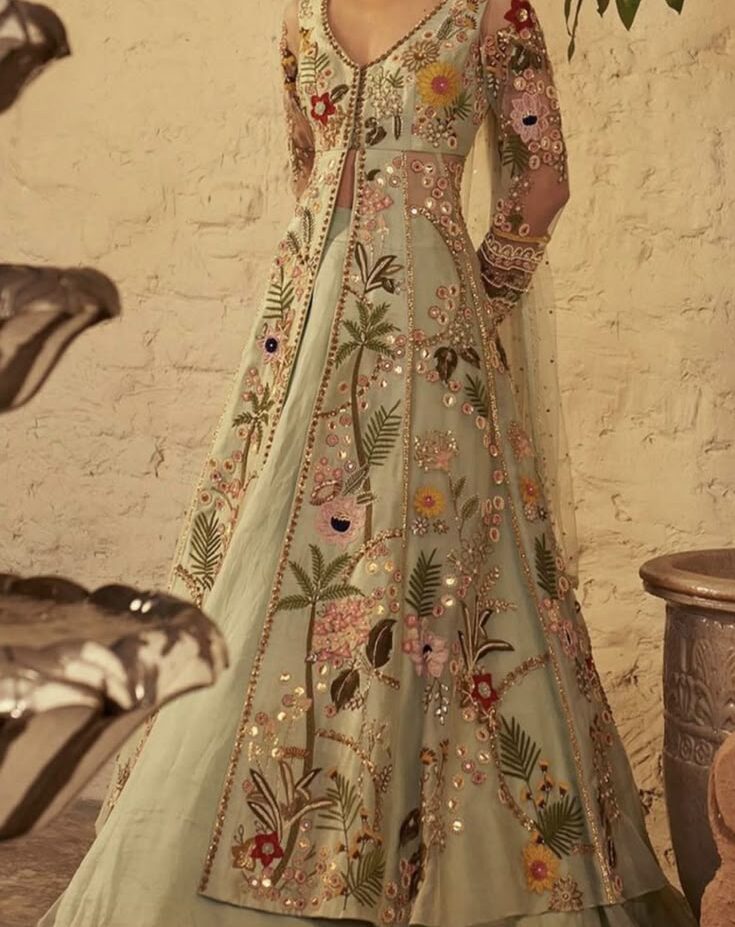
In today’s fast-paced fashion world, trends come and go faster than ever before — but the planet pays the real price. From mass production to textile waste, the environmental cost of “fast fashion” has reached alarming levels. That’s where sustainable and ethical fashion comes in — a conscious movement that’s reshaping how we design, produce, and wear clothes.
At Finstoff, we believe fashion should look good and do good. Sustainable and ethical clothing is not just a trend — it’s a responsibility toward people, the planet, and future generations.
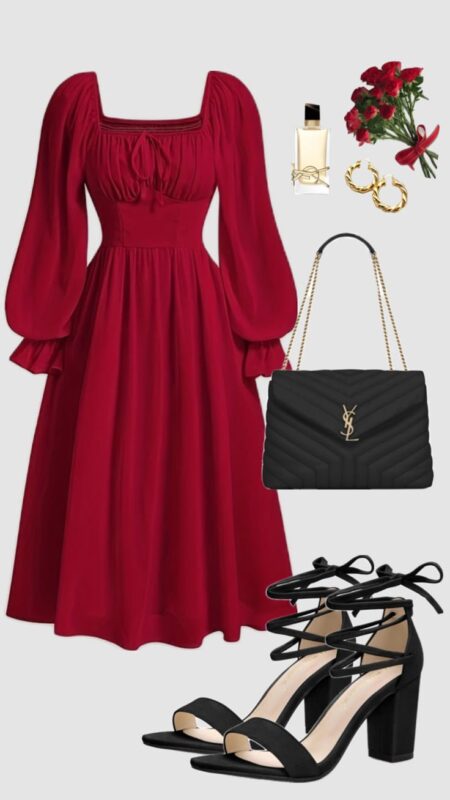
What Is Sustainable Fashion?
Sustainable fashion focuses on reducing the negative impact of clothing production and consumption on the environment.
It involves using eco-friendly materials, responsible manufacturing methods, and long-lasting designs that promote mindful shopping instead of overconsumption.
Core Principles of Sustainable Fashion:
- Using organic or recycled fabrics (like organic cotton, hemp, bamboo, or Tencel)
- Minimizing water and energy usage during production
- Reducing fabric waste through smart pattern cutting or recycling
- Promoting timeless designs instead of short-term trends
- Encouraging repair, reuse, and recycling of garments
Example: A basic cotton tee made from organic cotton uses less water and chemicals than a conventionally produced one — making it a cleaner, greener choice.
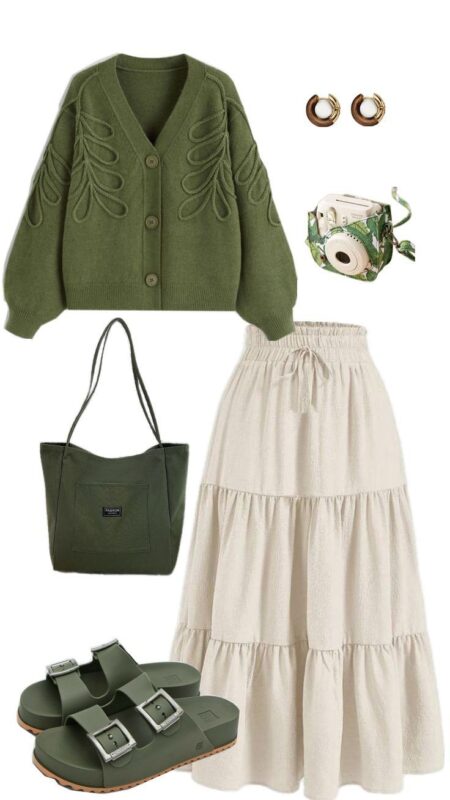
What Is Ethical Fashion?
Ethical fashion focuses on people and fair practices in the fashion supply chain.
It ensures that everyone involved — from cotton farmers to garment makers — is treated with dignity, fairness, and respect.
Core Principles of Ethical Fashion:
Fair wages and safe working conditions
No child or forced labor
Equal rights and gender equality in factories
Transparency in sourcing and manufacturing
Supporting local artisans and craftsmanship
Example: When you buy from a brand that values ethical fashion, you’re helping empower the people behind your clothes — giving them fair opportunities and better lives.
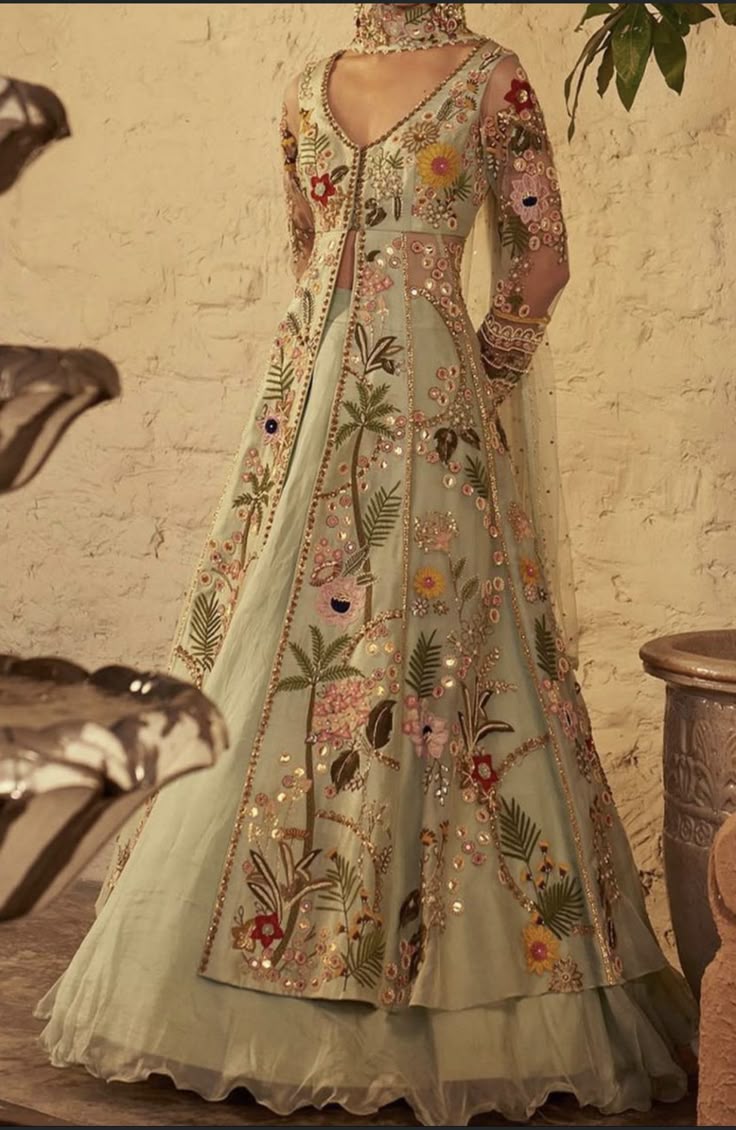
Why Sustainable & Ethical Fashion Matters
he fashion industry is the second-largest polluter in the world. It’s responsible for millions of tons of textile waste and massive carbon emissions every year.
Choosing sustainable and ethical fashion helps reduce this damage and builds a future that’s kind to both people and the planet.
How to Adopt Sustainable & Ethical Fashion in Everyday Life.
Choose Quality Over Quantity
Buy fewer clothes — but invest in better quality. Durable pieces last longer, save money, and reduce waste.
Support Eco-Friendly Brands
Look for brands that use organic fabrics, ethical production, and transparent supply chains (like Finstoff!).
Reuse and Recycle
Donate old clothes, upcycle them into something new, or recycle fabrics to minimize waste.